Arrested for a Banner: I Hate the Slogan, but I Won't Jail Pensioners for It
Sandra Keller, 75, and Marlene Grace, 72, were arrested at a permitted Brisbane rally over a 'from the river to the sea' banner. Lee Robbins hates the slogan. He still won't jail pensioners for it.
I hate the slogan.
I will get that out of the way, because some people only hear the next sentence if you say this one first. I do not chant "from the river to the sea, Palestine will be free." I do not put it on a banner, and I do not buy the tourist-brochure reading. In my view, it is a political demand that Israel should not exist. The Queensland Jewish Board of Deputies has said terrorist leaders have used it to call for the annihilation of the Jewish state. SBS has noted that Hamas, a listed terrorist organisation in Australia, uses similar wording in its constitution as part of its rejection of Israel. That is the reading I take, and I am not going to dress it up as a weather report.
I still will not jail a 75-year-old woman for carrying it on a banner at a permitted rally in Brisbane.
Sunday in the city
Ten days ago, on Sunday 15 November, Sandra Keller, 75, and Marlene Grace, 72, walked through Brisbane with that banner. The rally was permitted. It was the first time either woman had been arrested. One is a retired mental health counsellor, the other a cardiac nurse; the Guardian did not say which was which, so I will not guess. Marlene's husband, Paul, 76, was arrested as well.
Police, the paper reported, allege the two retirees caused a person to feel "menaced, harassed or offended" by their use of the slogan. They were then cautioned rather than charged, the Guardian said, because they had no criminal record. Charged is not convicted, and cautioned is not convicted either.
Grace told the Guardian she had never had a speeding ticket or a parking fine. "I'm not a dangerous woman," she said. "I look after my grandchildren." Keller said she was "upset and concerned about the mutilation of children and the destruction in Gaza," and that she was protesting a law she says restricts her free speech. Both deny their actions were hateful. "Palestinians have a right to live on that land. That's what that means to me," she said. Both vow to do it again.
I think Keller is wrong about what the slogan means. I also think a permitted rally is a permitted rally, and a grandmother looking after her grandson the next day is not a matter for handcuffs. They are not the first. In the eight months since the law came into force, the Guardian reported, more than 40 people have been arrested over it and 37 protesters have been charged. The oldest is 77, the youngest 18. Two of the people accused of antisemitic hate speech are Jewish. I am going to leave that fact where it is.
A long name for two phrases
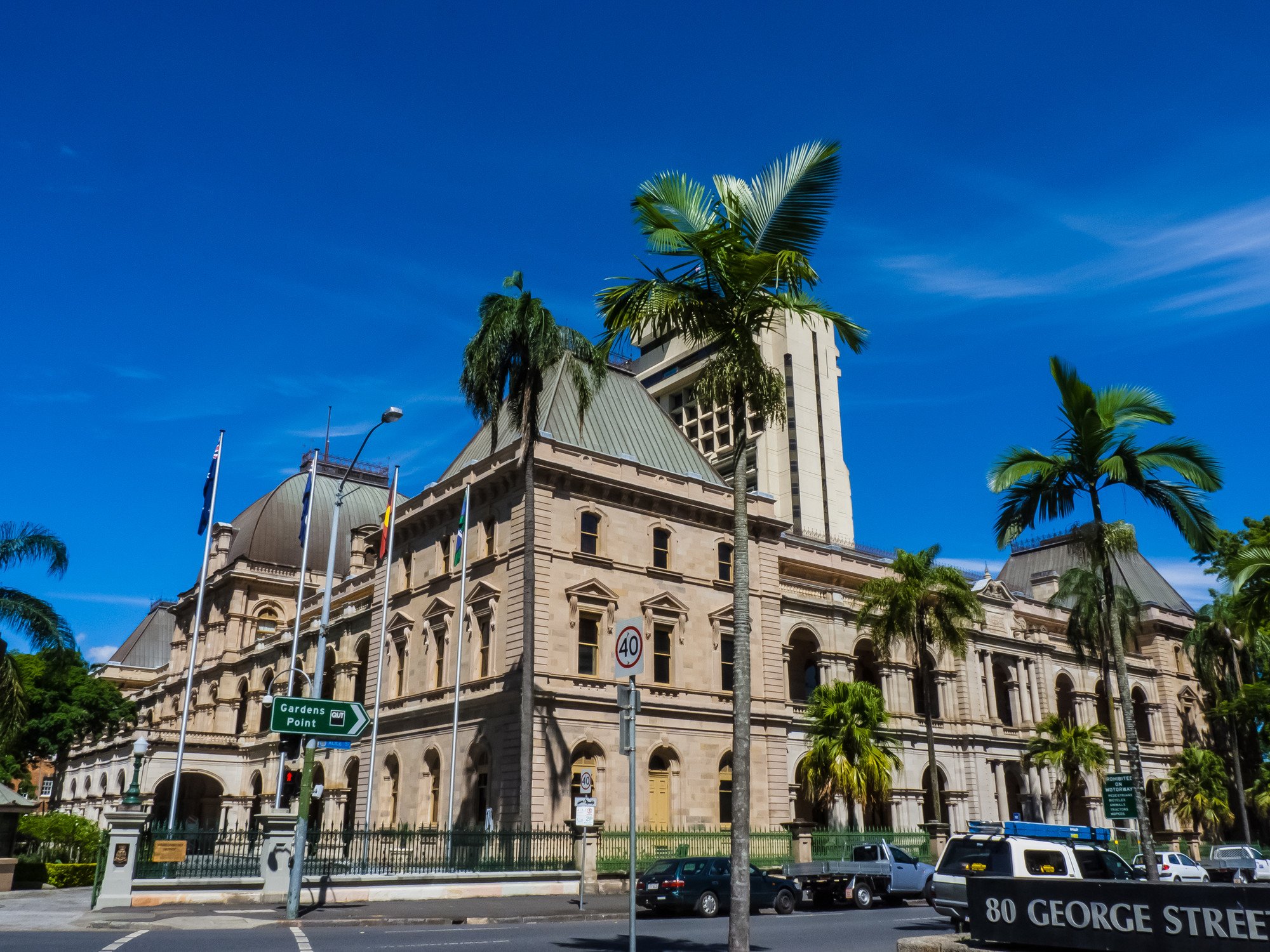
The statute has a name that sounds like a press release that got away from its author: the Fighting Antisemitism and Keeping Guns out of the Hands of Terrorists and Criminals Amendment Act 2026. The Crisafulli government passed it on 5 March. It was assented to on 11 March. Queensland became the first state in the country to outlaw the slogan.
The ban sits in the Criminal Code as section 52DA. It makes it an offence to publicly recite, distribute, publish or display a "prohibited expression" in a way that might reasonably be expected to cause a member of the public to feel menaced, harassed or offended. There are two prohibited expressions, and only two: "from the river to the sea," and "globalise the intifada." The maximum penalty is 150 penalty units or two years' imprisonment.
Attorney-General Deb Frecklington told parliament the law does not unreasonably limit freedom of expression. It bans only the two phrases written into the Act, not lookalikes. It is not illegal to use the words to argue against them. And there are defences for a genuine artistic, religious, educational or historical purpose, or a purpose in the public interest, including a "genuine public dispute," if the conduct was reasonable for that purpose. She called the test a "high bar."
That is the sales pitch. Here is the bit underneath it. Section 52DA also says, "to remove any doubt," that it is irrelevant whether a member of the public has actually heard or seen the expression. The offence is committed when you say it or show it. The person who felt menaced can be hypothetical. And if you want to run one of those defences, the evidential burden is on you.
A high bar, apparently
The first arrests came the day the Act was assented to. At a rally outside Parliament House, Liam Parry, from Students for Palestine, used the phrase and said he was explaining it. He was arrested and given a notice to appear in the Brisbane Magistrates Court for "recital, distribution, publication or display of prohibited expressions." An 18-year-old woman in a singlet bearing the phrase was arrested later that day and, police said, charged and given an adult caution. I do not know how Parry's case ended. He claimed a purpose the Act lists as a reasonable excuse. He was arrested and charged anyway.
The Guardian has since watched protesters swap in Swedish, Indonesian, a rhyme, or the river and the sea back to front, and has seen two people threatened with arrest for signs that used the wrong wording. If the statute is as tight as the Attorney-General says, those threats are a problem.
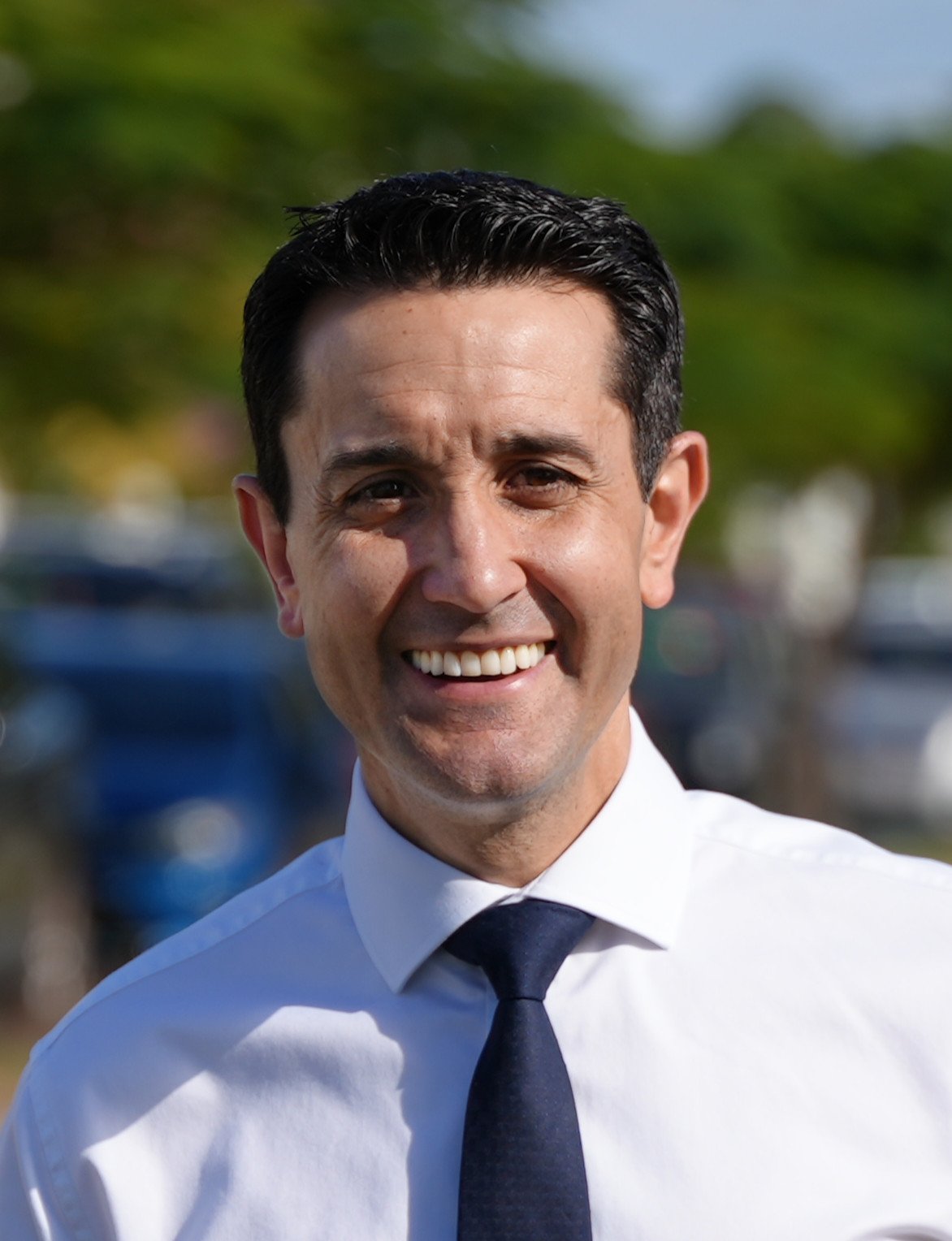
Police Minister Dan Purdie told parliament in March that Jewish Queenslanders "simply don't feel safe." After the Bondi Beach attack on 14 December last year, when 15 people were murdered and 40 injured at a Hanukkah celebration, a lot of Jewish Australians had reason not to feel safe. The government says this law is part of its answer. Premier David Crisafulli later described the two banned phrases as "the hatred that allowed what came on to the shores of Bondi." That is a very large claim to hang on a chant. Bondi was a massacre. It deserves a serious criminal law, aimed at violence and incitement. A permitted rally and a banner are not the same event.
The bill was rushed: seven days for public comment, the Guardian reported, and the two phrases locked in at the eleventh hour. Labor voted against it. Steven Miles said the government had "gagged debate." Jason Steinberg, president of the Queensland Jewish Board of Deputies, welcomed the reforms and said they would make his community feel safer after "unprecedented levels of hate, intimidation and fear." The Jewish Council of Australia warned that a move like this risked associating Jewish people with "crackdowns on democratic freedoms." New South Wales looked at a blanket ban on the same slogan and walked away from it.
The park, and the court
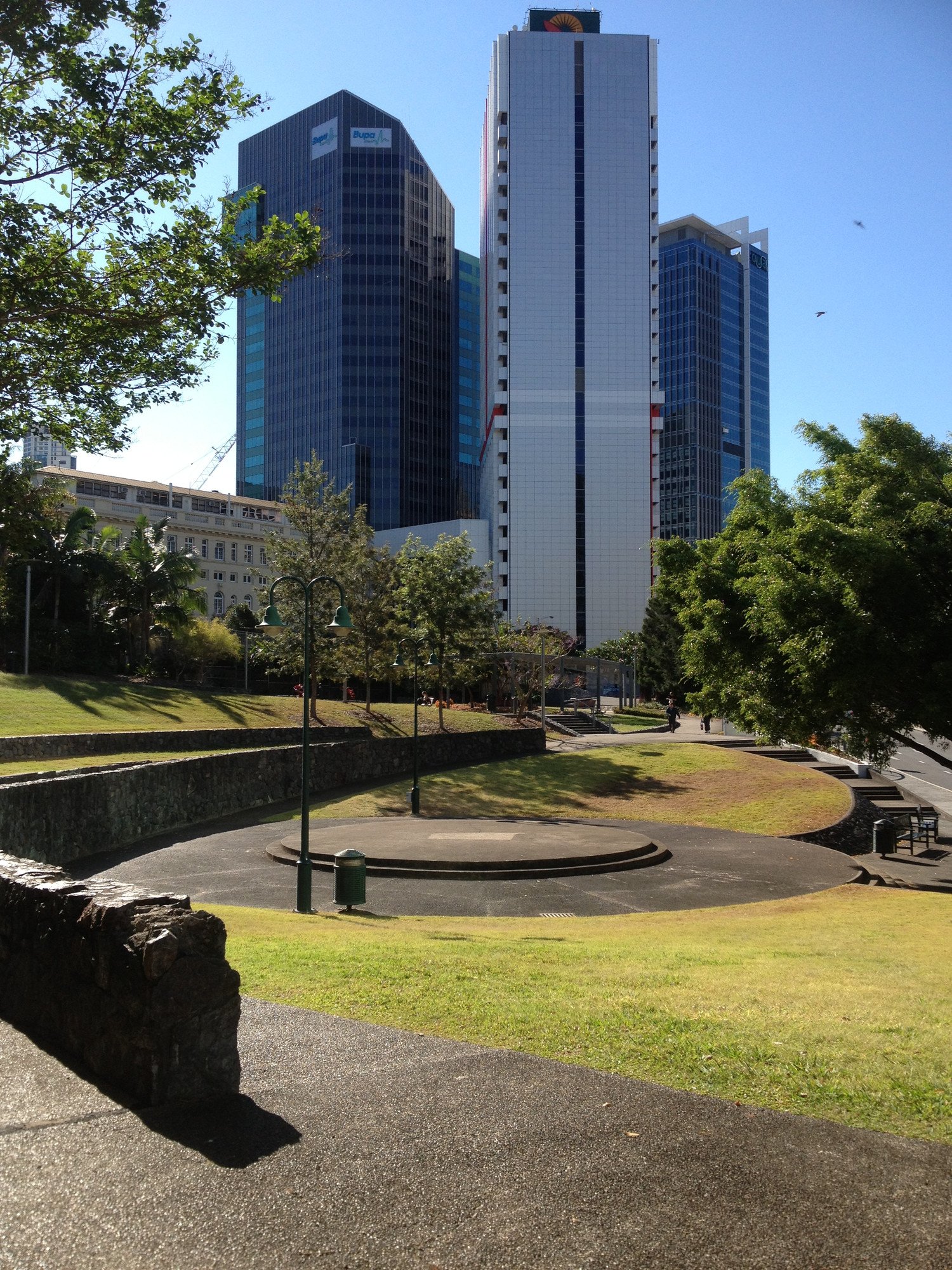
Keller pointed out one of the ironies herself. Many of the arrests have been at Emma Miller Place, a park in the Brisbane CBD named for a suffragist who, at 72, was so outraged by a police crackdown on peaceful protesters in the 1912 general strike that she put a hatpin into Police Commissioner William Cahill and unhorsed him. "I wanted to stand up just the same as those women, for what I believe in. I have that right," Keller said. She has the right to believe it. She does not, in Queensland, have a clean right to put those words on a piece of cloth at a rally the state itself permitted.
Justice for Palestine Magan-djin is challenging the law in the High Court. The lead plaintiff is Remah Naji, the group's organiser. The case was filed in July on behalf of seven protesters, who argue that the ban is a direct, content-based restriction on political communication and that it is unconstitutional. I do not accept a mild reading of the slogan. That is not the same as saying the state should win.
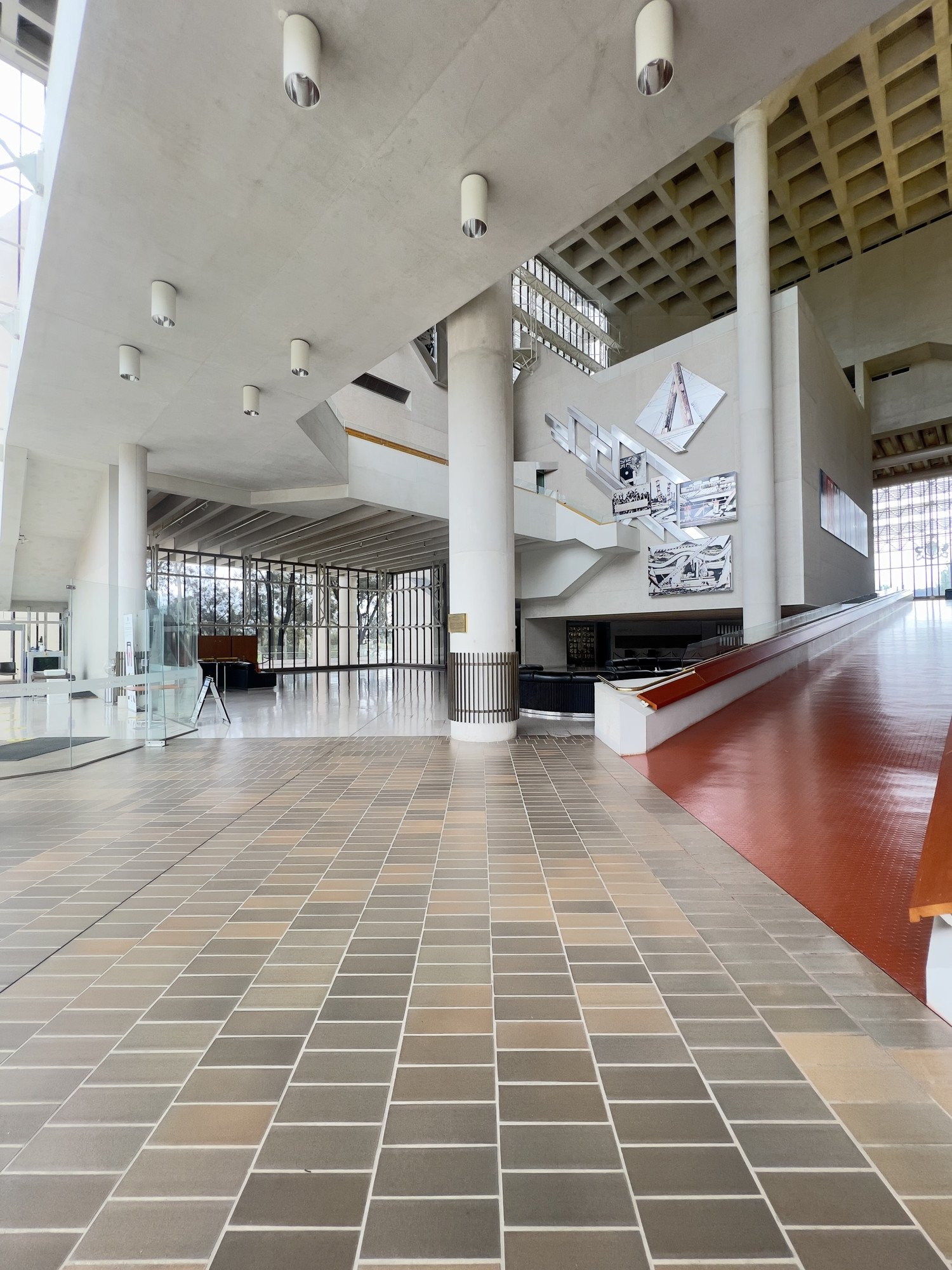
On Friday 20 November the matter was briefly mentioned in the High Court. The government says the laws are constitutional. A hearing is now expected in the middle of next year. Constitutional lawyer Anne Twomey, writing when the ban was passed, said a court would have to decide whether, at a peaceful public rally, the display "might reasonably be expected" to have that effect on "a member of the public." Which is a long way of saying the answer is supposed to come from a court, not from a pair of handcuffs around a cardiac nurse on a Sunday.
The speech you hate is the test
I have written about this conflict before. I am not going to tell those stories again. This one does not require me to like the people holding the banner.
If someone incites violence, charge them with incitement. If someone menaces Jews outside a synagogue, or paints a threat on a wall, use the criminal law we already had.
What Queensland has done is pick two phrases, write them into the Criminal Code, and then arrest people, including retirees at a permitted rally, for displaying them in a way that might reasonably be expected to offend a member of the public who, the Act says, need not have been there. My view: that is not a serious antisemitism policy. It is a slogan policy. It treats the worst reading of a chant as if it were an act, and it hands police a tool that, in practice, has been used on a 75-year-old, a 72-year-old, a 76-year-old husband, and an 18-year-old in a singlet.
Free speech is not a prize you hand to the people who already agree with you. If I only defend the words I would print myself, I am not defending speech. I am defending a preference. The test is the banner I would never carry.
Keller and Grace have not been convicted of anything. They were arrested, and then, on the available reporting, cautioned. The High Court will have its say next year. Until then, Queensland is a state that can permit a rally and then cuff the pensioners who turn up to it with the wrong words.
I hate the slogan.
I still will not jail them for a banner.
And Remember:
Trust no Single Source
Trust Your Gut
and Stay Curious
Lee Robbins
For media enquiries, please contact:
UK - 020 3404 2295
USA - 0650 702 7445
AUS - 02 9072 9499
Help Support Lee Robbins and the rest of our Authors by visiting the store to get your copy of the latest Anonymous Author Novel or Anything Anonymous.