Thanksgiving in the Dark: A Dead Oven, a Warm Fridge and the Generator Rules That Keep Your Family Alive
The storm killed the oven with the turkey still in it. J-Mark on the four-hour fridge clock, finishing the bird safely outdoors, and the generator mistakes that kill people every outage.

The opening scene is fictional. The safety rules are not.
The bird had forty minutes to go when the oven clicked off and the kitchen went dark.
Not dramatic dark. Thanksgiving dark. Twelve people stop talking at once, and then my brother-in-law says, "Well, that's the turkey," in the voice men use at funerals for a pickup truck. Somebody's phone flashlight lit up the gravy boat. My mother-in-law asked, very calmly, whether the pie was "in danger." Our youngest asked if this meant we were eating dessert first. He's eleven, and he has the instincts of a lobbyist.
I have spent twenty-one years writing plays. I have never written a second act turn as good as a 20-pound turkey sitting in an oven that has quit, with the whole family staring at me because I'm the one with the lanterns in the hall closet.
So here's the question this whole piece is about: the turkey's in a dead oven. Now what?
What actually happened out there
For a lot of real families this week, that scene wasn't a play.
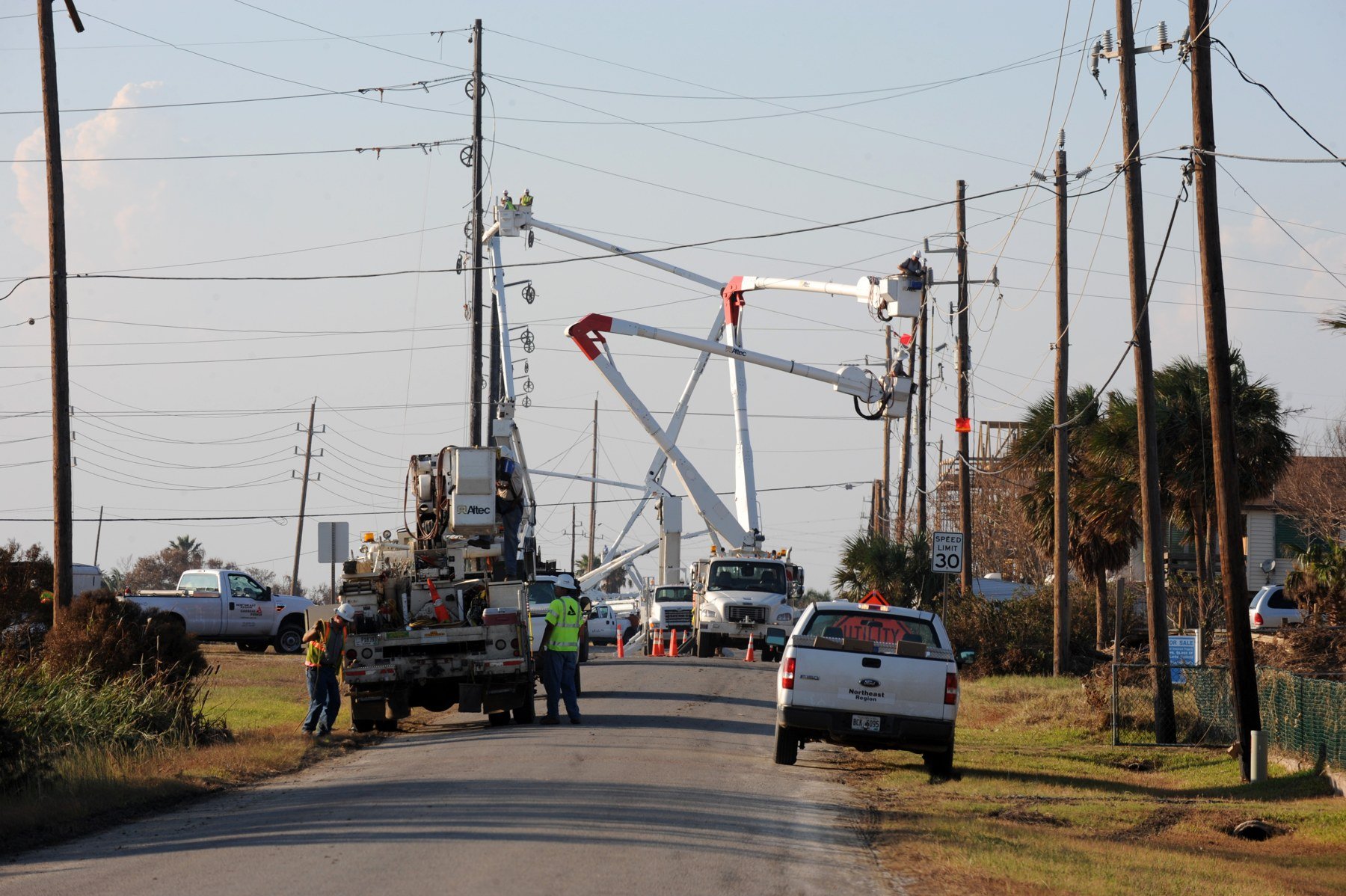
A powerful coastal storm rolled over the East Coast and the Midwest on Thanksgiving Day with heavy rain, high winds and flooding. New Jersey recorded a top gust of 82 mph, and the whole state was under a state of emergency. Macy's postponed its Thanksgiving Day parade in New York, which is a sentence I never expected to type. The Washington Post called it the worst Thanksgiving Day storm in decades.
As of 27 Nov, the numbers looked like this. Outages peaked Thursday night at more than 900,000 customers, according to the tracker PowerOutage.us, as reported by CBS News and the AP. By Friday afternoon, roughly half had their lights back, which still left somewhere under 400,000 in the dark. Pennsylvania was hit hardest at around 90,000, with New Jersey, Maryland, New York and Missouri also on the list. In Maryland, close to 2 million customers were asked to cut back on water for a while because of power problems. One New Jersey utility said its restoration estimates would show when the last customer in an area gets power back. Plan for the long end.
Those numbers move hourly, so check your utility's outage map, not mine. Either way, hundreds of thousands of families spent the most food-heavy holiday of the year with a fridge that had stopped being a fridge.
The four-hour clock in your kitchen
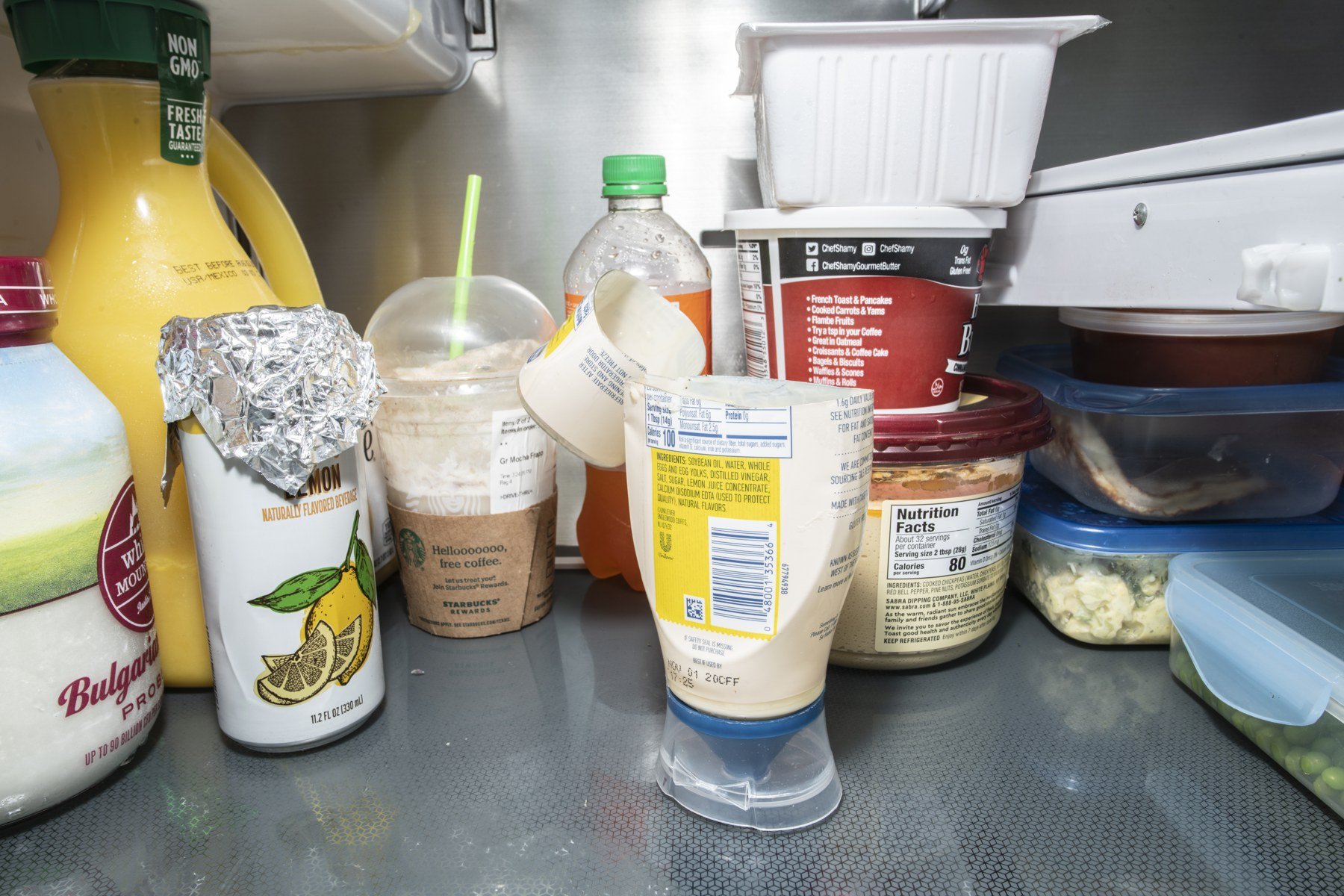
First rule, and it's the one nobody wants to hear: stop opening the fridge.
Every "just checking" peek dumps cold air on the floor. The USDA and FoodSafety.gov say a refrigerator keeps food safe for up to 4 hours during an outage if you keep the door closed. A full freezer holds a safe temperature for about 48 hours, and a half-full one for about 24, again with the door shut.
That's your clock. Write the time the power went out on the back of a receipt and stick it to the fridge. Feelings are not a food-safety system.
Here's what the government charts say once the power's back on, or once you've given up waiting:
- Meat, poultry, stuffing, gravy, casseroles, cooked rice, cooked potatoes, milk, eggs and soft cheese that sat above 40°F for more than 2 hours go in the trash. That includes the leftovers you were dreaming about.
- Hard cheeses, butter, uncut fresh fruit and veg, bread, fruit pies, peanut butter, mustard and ketchup are generally fine.
- Freezer food that still has ice crystals, or is still at 40°F or colder, can be refrozen. It may taste a little sad, but it's safe.
- Never taste-test to decide. Food that makes you sick doesn't always smell or look wrong. The official line is "When in doubt, throw it out," and I'd stitch that on a pillow if I could sew.
A cheap appliance thermometer in the fridge and freezer turns all that guessing into a number. It's the best few dollars a prepper ever spends, right after the can opener.
What about the half-cooked bird?
This is where good people make bad calls. A turkey that's been cooking for three hours feels like it's most of the way there. Under USDA guidance, you don't partly cook poultry and finish it later, because a warm, half-done bird is the comfiest hotel in town for bacteria.
So you've got two real choices:
- Finish it now, somewhere else. That could be a gas or charcoal grill, a smoker or a neighbor's working oven. Cook until the thickest part of the thigh, and the stuffing if it's inside, reads 165°F on a food thermometer. Carve the bird into pieces and it cooks faster.
- Let it go. If it sat in the warm, dead oven for more than 2 hours, you're not saving money. You're buying a stomach bug. Open the canned ham and call it a story for next year.
If you cook outside, cook outside. Grills and camp stoves stay out in the open air, well away from the house, out from under the eaves and never in the garage, on a screened porch or in the carport "because it's raining." The CDC is blunt: never burn charcoal indoors, and never use a portable camp stove indoors. A charcoal grill in the garage is a carbon monoxide machine with a meat rack on top.
And never use a gas oven or burners to heat the house. CDC guidance says that in so many words.
The generator mistakes that kill people
Here's where I put down the jokes for a minute.
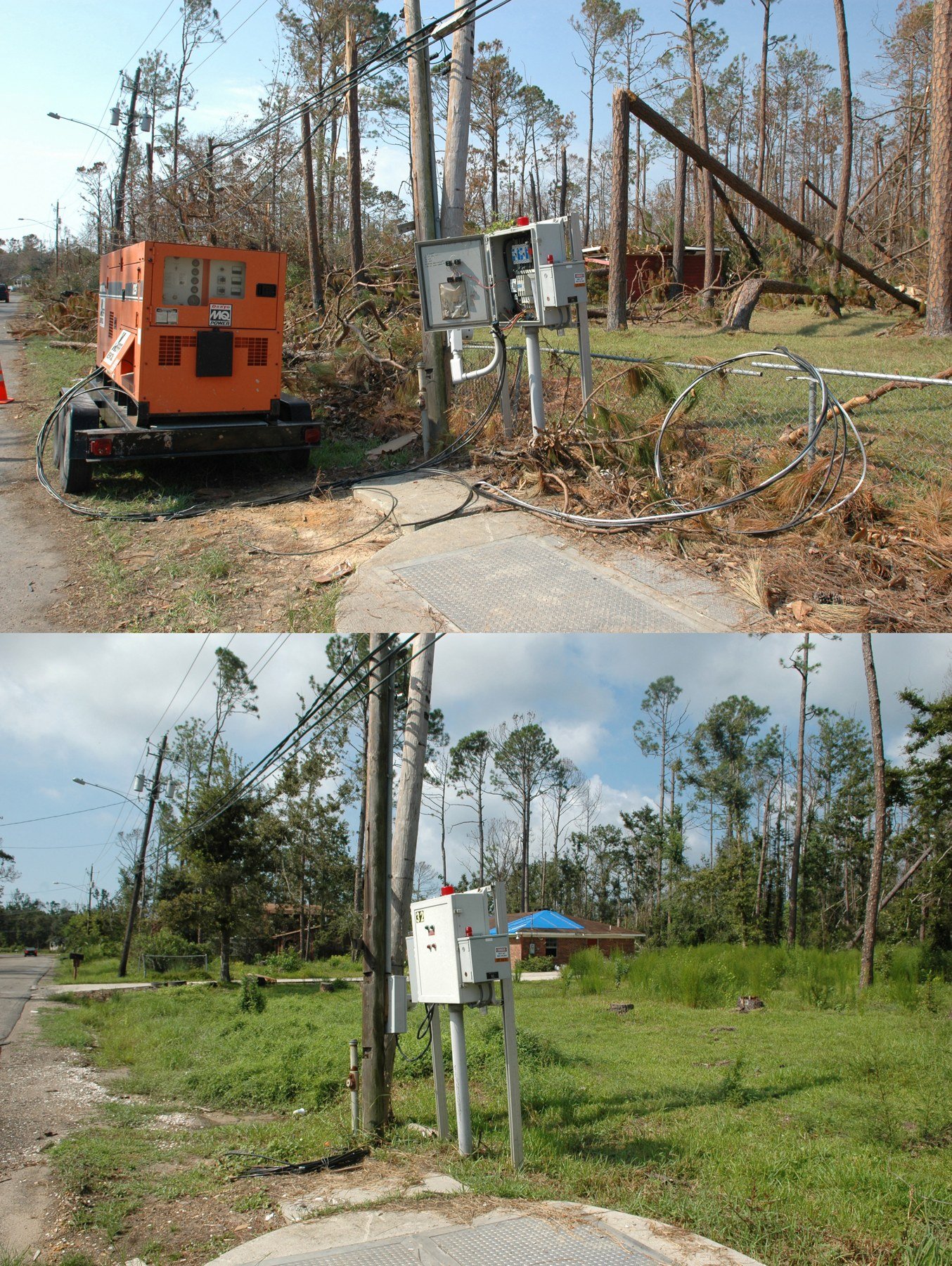
Every year, the CDC says, more than 400 Americans die from carbon monoxide poisoning that has nothing to do with fires, and more than 100,000 end up in the emergency room. Outages are prime time for it, because that's when people drag a generator, a grill or a heater somewhere it was never meant to go.
Carbon monoxide has no color and no smell. Your nose won't warn you. Early symptoms are headache, dizziness, weakness, an upset stomach, vomiting, chest pain and confusion. That's also how a long holiday with relatives feels, which is why people shrug it off. People who are asleep, or who've had a few glasses of wine with dinner, can die before they feel anything at all.
So these are the rules, straight from the CDC, and I'd tape them to the generator itself:
- Never run a generator inside the house, the garage, the basement or a crawlspace, even with the doors and windows open. An open garage door is not ventilation. The Weather Channel cited a Maine ice-storm study that found running a generator in an attached garage made CO poisoning 19 times more likely than running it outdoors.
- Keep it outside and more than 20 feet from windows, doors and vents. That means 20 feet from the neighbor's windows too. Point the exhaust away from the house.
- Not under the porch roof, and not under the carport. Partly covered still counts as indoors for exhaust.
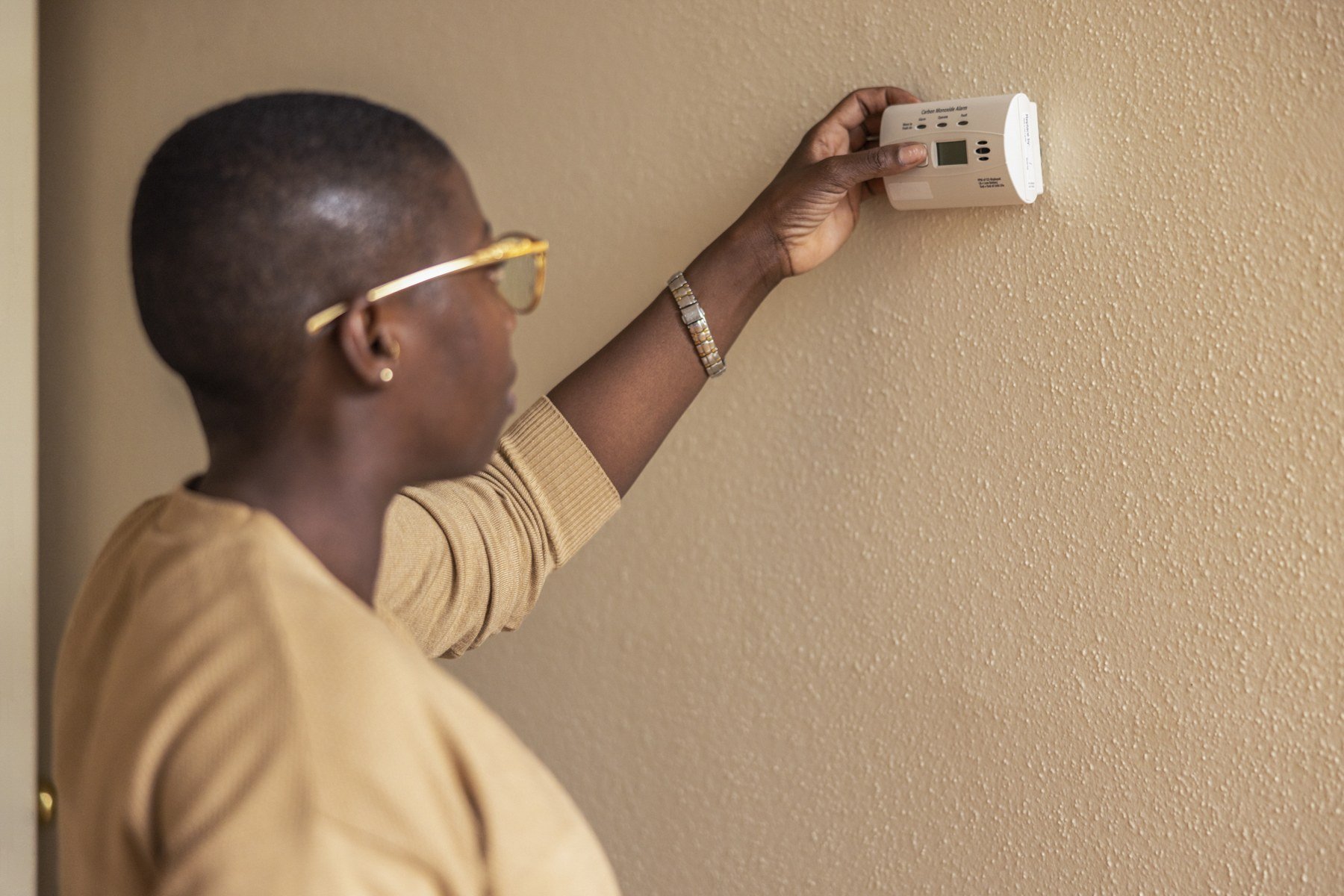
- Run a battery-powered or battery-backup CO detector near every sleeping area. A plug-in detector with no battery goes dark right when you need it most.
- Never sit in a running car to warm up or charge your phone in an attached garage, even with the door open.
- Never plug a generator into a wall outlet to power the whole house. The Consumer Product Safety Commission calls that backfeeding, and it can send power back up the line into the crews working to restore it.
That last one is where my blood runs a little warm. Those line crews spent their Thanksgiving up a pole in the rain in the dark, so the rest of us could have pie. The least a household can do is not electrocute them through a garage outlet.
If the CO alarm goes off, or anybody gets that headache-dizzy-sick feeling, get everyone outside into fresh air right away and call 911. Don't stand around discussing it. Discuss it on the lawn.
Be ready for next year's surprise act
None of this needs a bunker or a credit card bill. It's a short list, and most of it lives in a kitchen drawer:
- Two appliance thermometers, one for the fridge and one for the freezer.
- A food thermometer that doesn't need power.
- A battery CO detector for each sleeping area, plus spare batteries. Swap them when you change the clocks.
- Coolers and a plan for ice. Freeze a few jugs of water ahead of a big storm. They keep the freezer full and the cooler cold, and later they're drinking water.
- A grill with fuel, set up outdoors, and a lighter that isn't in the dark kitchen.
- A no-cook backup meal in the pantry, like canned ham, beans, crackers and pie, so a dead oven is a funny story and not an emergency.
- The utility's outage number and map, written down where you'll find them by flashlight.
- The generator rules, taped to the generator.
In my fictional kitchen, we finished that turkey in pieces on the grill out on the driveway. My brother-in-law held the flashlight and called it like the Super Bowl. The bird hit 165°F. The pie was never in danger. We ate by lantern light, and my mother-in-law told everyone it was the best Thanksgiving in years. I suspect that was because nobody could see the dishes.
The power will go out again. It always does, usually at the worst possible moment, and usually with a house full of people. The trick isn't to fear it. It's to be the household that shrugs, checks the clock on the fridge, and takes the cooking outdoors where it belongs.
Be ready, not scared. And keep the can opener where you can find it in the dark.
And Remember:
Trust no Single Source
Trust Your Gut
and Stay Curious
J-Mark
For media enquiries, please contact:
UK - 020 3404 2295
USA - 0650 702 7445
AUS - 02 9072 9499
Help Support J-Mark and the rest of our Authors by visiting the store to get your copy of the latest Anonymous Author Novel or Anything Anonymous.